Table of Contents
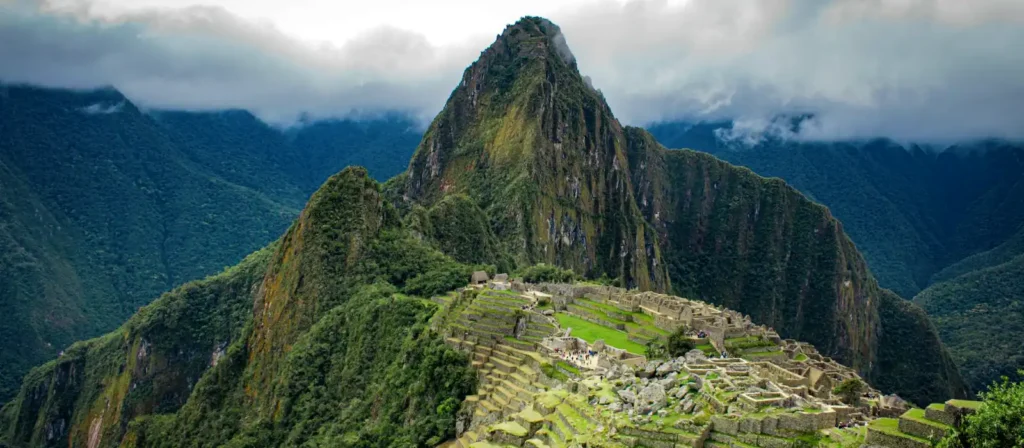
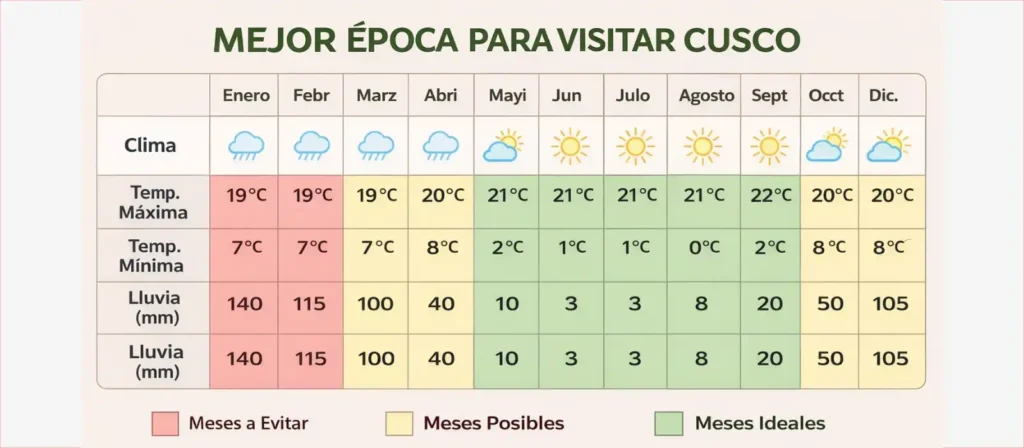
As we look toward 2026, the climate remains the most influential factor for your experience. Unlike the northern hemisphere, the Peruvian Andes are governed by two main seasons: the Dry Season and the Rainy Season.
The Dry Season: The Peak Performance (May to September)
This is widely considered the best time to visit Cusco and Machu Picchu. You can expect bright sunshine and crisp, blue skies—perfect for photography and high-altitude trekking.
- Weather: Daytime temperatures hover around 68°F (20°C), but nights can drop to near freezing (32°F / 0°C).
- Trekking: This is the prime window for the Classic Inca Trail and Salkantay Trek.
- Crowds: Being the most popular time, we recommend booking your entry tickets via the Official Ministry of Culture portal at least 4 to 5 months in advance.
The Rainy Season: The Emerald Awakening (November to March)
During these months, the Andes transform into a lush, vibrant green paradise.
- Weather: Expect rain showers, usually in the afternoon. However, the air is warmer, and the mist surrounding the ruins adds a mystical, ethereal quality to your photos.
- Benefits: Fewer crowds, lower prices on luxury hotels, and a chance to see Machu Picchu in its most natural, “emerald” state.
The 2026 Cultural Calendar: Month-by-Month
Choosing your travel dates often depends on the cultural “vibe” you seek. Here is our expert breakdown for 2026:
April & May: The Secret Window
April 2026 is the “sweet spot.” The rains have ended, the mountains are still green, and the peak summer crowds haven’t arrived yet. It’s the perfect time for a balanced Cusco City Tour.
June: The Jubilee Month
June is the most significant month in Cusco’s calendar.
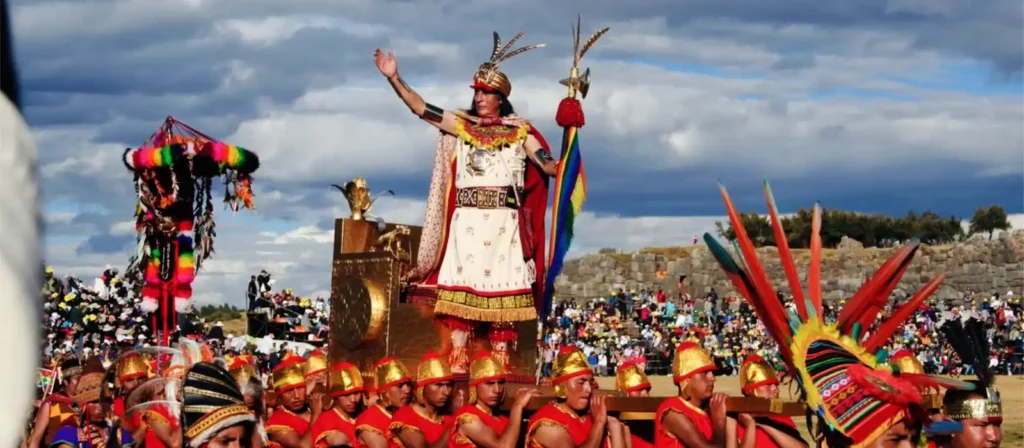
- June 24, 2026: The Inti Raymi (Festival of the Sun). This is a massive historical reenactment. If you wish to attend, Cusco Apus Tours advises booking your tour package at least 6 months prior.
July & August: Winter Sun
These are the driest months. Expect 100% visibility for your Machu Picchu visit. This is also the best time for the Rainbow Mountain (Vinicunca) trek, as there is less chance of snow covering the colors.
October & November: The Transition
As the flowers begin to bloom, October offers pleasant temperatures. It is a fantastic time for foodies to visit, as many local harvests begin during this period.
Expert Logistics & The Cusco Apus Tours Difference
A successful trip to the Andes isn’t just about the weather; it’s about how you manage the logistics. Here is how to finalize your 2026 plans:
Managing the Altitude
Cusco sits at 11,152 feet (3,399 meters). To avoid altitude sickness, we recommend:
- Fly to Lima first: Spend a day at sea level.
- Acclimatize in the Sacred Valley: Our itineraries often suggest staying in Urubamba or Ollantaytambo first, as they are lower than Cusco city.
- Stay Hydrated: Drink plenty of water and the traditional Coca tea.
The “Four Seasons” Wardrobe
Even in the dry season, temperatures fluctuate wildly. Your packing list should include:
- Moisture-wicking base layers.
- A high-quality down jacket for early mornings at Machu Picchu.
- A lightweight rain poncho (even in the dry season, a stray cloud can happen!).
Why Book with Cuscoapustours.com?
At Cusco Apus Tours, we don’t just provide transportation; we compose a masterpiece of memories. Our local expertise ensures you visit the ruins at the best time of day to avoid crowds and get the best light.
Compose Your Andean Opus Today The stars are aligning for 2026. Whether you want the sunny peaks of July or the mystical mists of January, our team is ready to help.
Ready to start? Visit us at cuscoapustours.com to book your personalized 2026 itinerary.