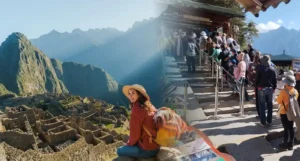
Reaching the historic capital of the Incas is a dream for many travelers. However, for those arriving from sea level, the first challenge isn’t the hike to the Sun Gate, but the elevation itself. Knowing how to prevent altitude sickness in Cusco is the difference between enjoying every ancient temple or spending your first few days confined to your hotel bed.
At Cusco Apus Tours, our travelers’ health and safety are our top priorities. We’ve prepared this definitive guide to ensure that “Soroche” (altitude sickness) doesn’t interrupt your Andean adventure.
Table of Contents
1. What is Altitude Sickness (Soroche)?
Altitude sickness occurs because, at higher elevations, atmospheric pressure decreases and less oxygen is available with every breath. Cusco sits at 11,152 feet (3,399 meters)—a significant height for the human body to process.
Common Symptoms:
- Dizziness or lightheadedness.
- Nausea and loss of appetite.
- Difficulty sleeping or shortness of breath.
- A mild, persistent headache.
2. Pre-Arrival Strategies: How to Prevent Altitude Sickness in Cusco
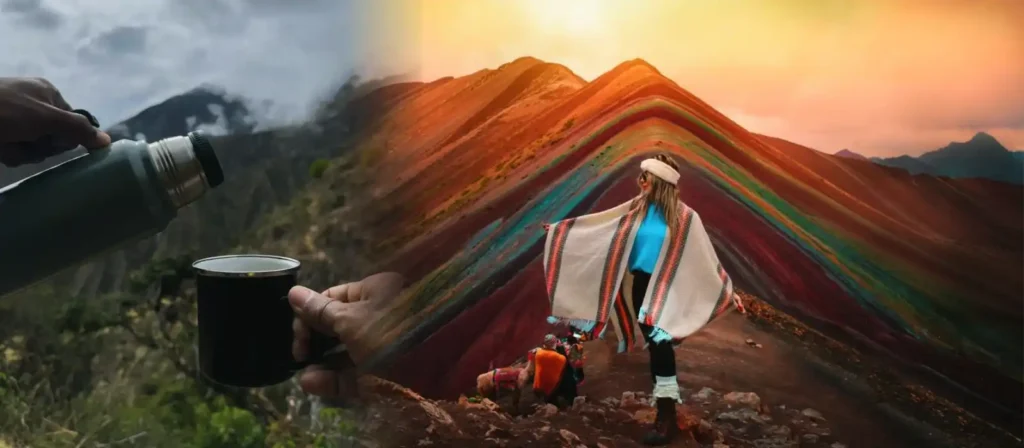
Preparation starts before you even board your flight. Here is how to prevent altitude sickness in Cusco through strategic habits:
- Hyper-Hydration: Start drinking plenty of water 48 hours before your flight.
- Limit Alcohol and Tobacco: Both dehydrate the body and interfere with oxygen absorption.
- Light Diet: In the days leading up to your trip, avoid heavy or greasy meals; your digestion slows down significantly at high altitudes.
3. The Golden Rule: Gradual Acclimatization
Many travelers land in Cusco and want to head straight to the ruins. Don’t. The real secret regarding how to prevent altitude sickness in Cusco is patience.
The Sacred Valley Strategy: At Cusco Apus Tours, we highly recommend that first-time visitors head straight to the Sacred Valley upon arrival. Towns like Urubamba or Ollantaytambo are located at approximately 9,100 feet, nearly 2,000 feet lower than Cusco city. Sleeping there for the first two nights allows for a much smoother transition before embarking on a Sacred Valley Luxury Full Day tour.
4. Natural and Medical Remedies
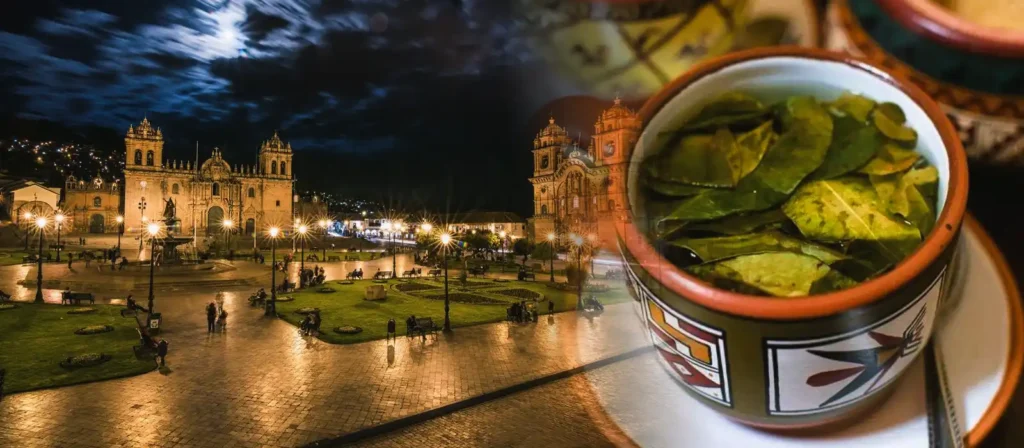
- Coca Tea: The ancient Andean remedy. Coca leaves help improve oxygen absorption in the blood. It is safe, effective, and served in almost every hotel lobby.
- Sorojchi Pills: These are over-the-counter pills available in any Peruvian pharmacy. They help with circulation and headaches.
- Oxygen Therapy: Many upscale hotels in Cusco provide supplemental oxygen in the rooms.
Always consult with your doctor before traveling, especially if you have heart or lung conditions. You can check official health guidelines on the CDC Travelers’ Health (External Link).
5. Planning Your Tours for Success
To avoid complications, the order of your activities is vital. A smart itinerary should look like this:
- Day 1: Total rest. A gentle Cusco City Tour in the late afternoon is perfect as it involves minimal physical exertion.
- Day 2-3: Explore the Sacred Valley (lower altitude).
- Day 4: You are now ready for your Machu Picchu Full Day with full energy!
Conclusion
Learning how to prevent altitude sickness in Cusco isn’t about being afraid; it’s about respecting the mountains. Listen to your body, walk slowly, and let us handle the logistics so you can focus on the magic of the Incas.
Want a personalized itinerary designed for perfect acclimatization? Contact us at cuscoapustours.com and our local experts will create the ideal route for your health and comfort in the Andes.